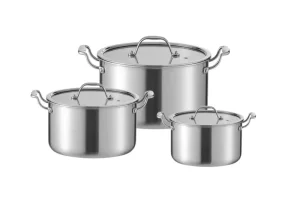
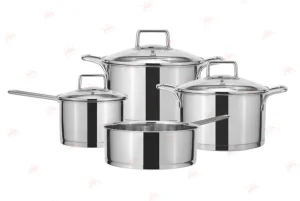
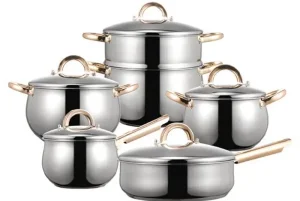
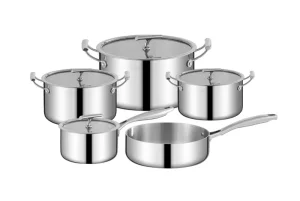
Engineered to meet the stringent IH (Induction Heating) energy standards and high-density commercial kitchen requirements of Metropolitan Tokyo.
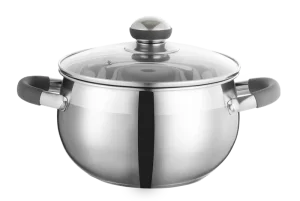
Understanding the unique technical demands, space constraints, and energy efficiency mandates governing Tokyo’s foodservice sector.
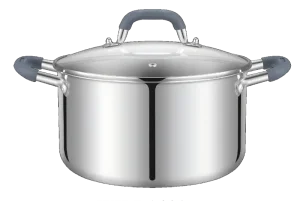
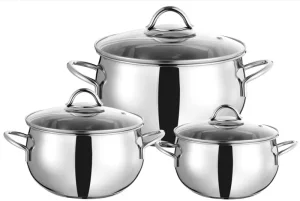
Commercial kitchens in Tokyo central business districts—such as Shinjuku, Ginza, Shibuya, and Chiyoda-ku—operate under some of the highest real estate costs per square meter globally. As a result, kitchen infrastructure requires highly compact, multi-functional, and stackable casserole vessels. Traditional cast iron cookware is increasingly being phased out due to excessive weight, slow thermal response, and difficult manual handling in restricted spaces. Tri-ply and multi-layer stainless steel casseroles provide the ultimate solution: rapid heat transfer, lightweight strength, and vertical stackability.
Tokyo Municipality's strict building safety regulations and urban decarbonization goals have accelerated the transition from open gas flame cooking to high-output Commercial Induction Cookers (3.5kW to 10kW per hob). Casserole cookware exported to Tokyo must feature magnetic multi-layer encapsulation bottoms (SUS430 / AISI 430 exterior) to achieve optimal electromagnetic resonance, minimal electrical power loss, and 95%+ thermal coupling efficiency without base warping over thousands of continuous cooking cycles.
Precision multi-layer bonding technology crafted for demanding thermal profiles.
The interior contact surface is constructed from premium Food-Grade SUS304 (18/8 Stainless Steel). It exhibits extreme resistance to organic acids, sodium chloride solutions used in Japanese soy/miso broths, and high-temperature oxidation. Highly polished satin or mirror finishes prevent food adhesion and biofilm buildup, facilitating rapid cleaning under commercial dishwashing protocols.
Sandwiched between the stainless steel layers is a heavy-gauge 1050 high-purity aluminum core (or 3003 aluminum alloy). Aluminum possesses a thermal conductivity of ~229 W/m·K, which spreads thermal energy rapidly and uniformly from the vessel base up the sidewalls, preventing localized scorching of delicate sauces and casseroles.
The exterior layer consists of ferritic SUS430 (18/0 Stainless Steel), specifically chosen for its high magnetic permeability. This guarantees instant power coupling with commercial induction stoves deployed across Tokyo dining establishments, preventing high-frequency buzzing and maximizing energy-to-heat conversion rates.
| Material Layer Structure | Thickness Range (mm) | Thermal Conductivity | Primary Commercial Benefit for Tokyo Kitchens |
|---|---|---|---|
| Interior SUS304 / AISI 304 | 0.5mm - 0.8mm | 16.2 W/m·K | Zero chemical reactivity with salty/acidic soups, high hygiene compliance. |
| Core Pure Aluminum (1050) | 1.5mm - 3.0mm | 229 W/m·K | Ultra-fast heat dispersion; removes lateral heat gradient hot spots. |
| Exterior Magnetized SUS430 | 0.5mm - 0.7mm | 25.5 W/m·K | High magnetic flux density for immediate, silent induction cooking response. |
Established in 1997, Weihua is a premier OEM/ODM manufacturing authority operating an advanced 350,000 sq. ft. smart production complex powering culinary markets worldwide.
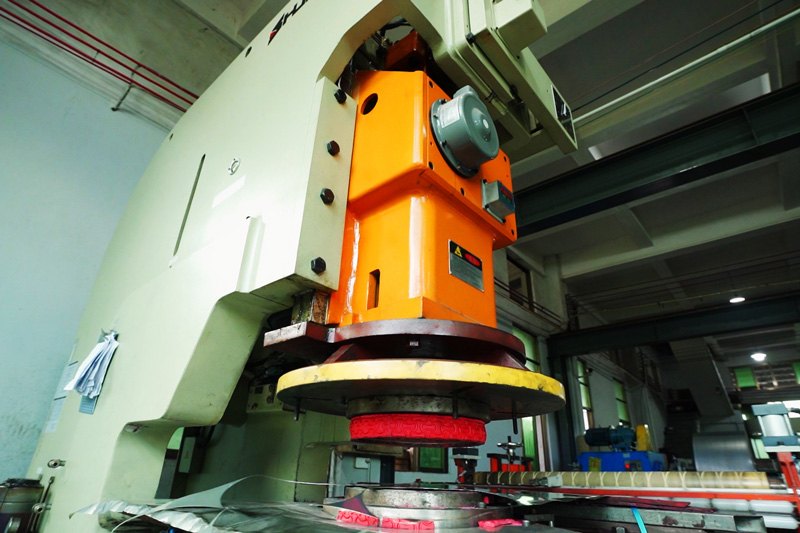
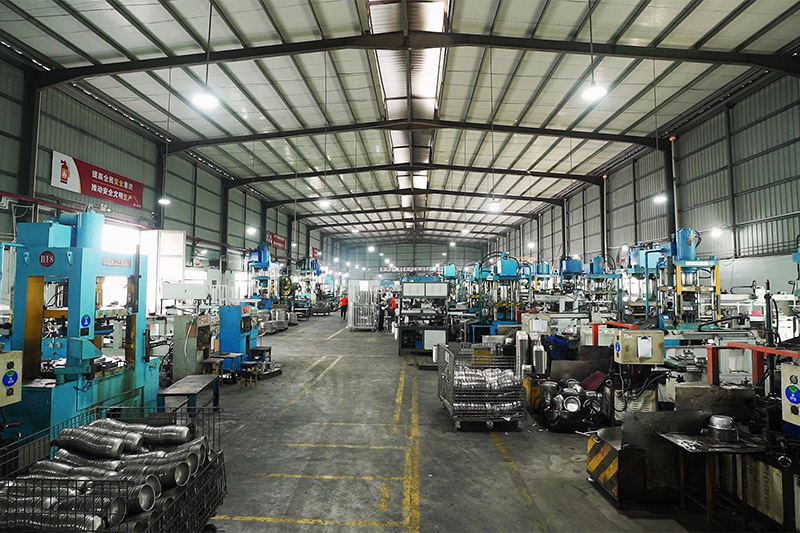
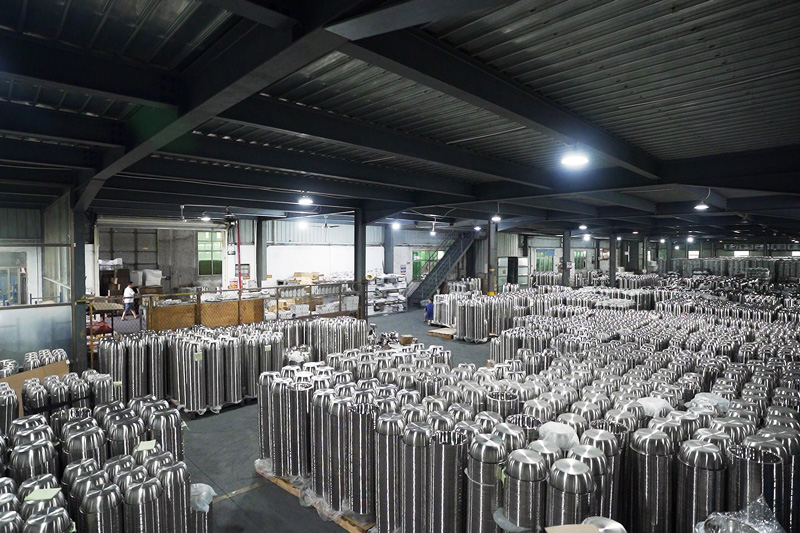
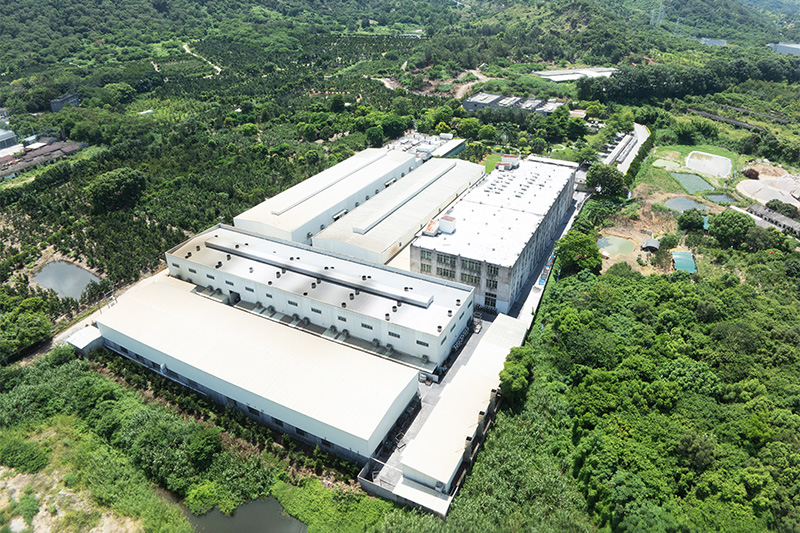
From a localized hardware enterprise in 1997 to a modernized global exporter supplying major commercial brands in Tokyo, North America, and Europe.

We continuously research thermal dynamics and ergonomics. With a market-oriented approach, our R&D center crafts bespoke casserole solutions tailored to specialized culinary needs.
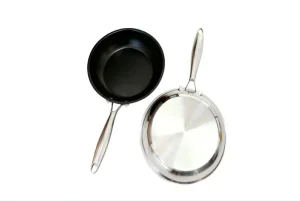
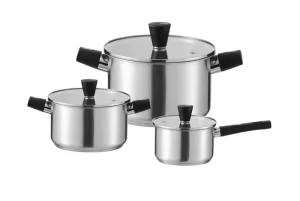
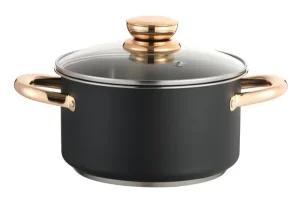
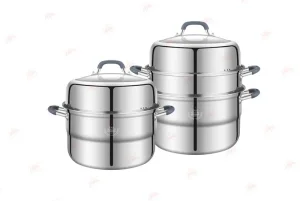
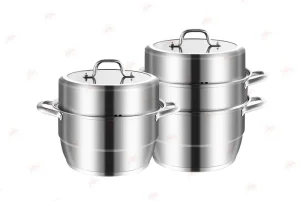
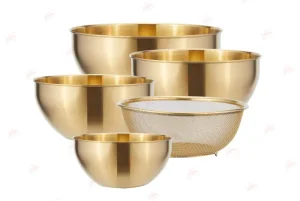
We concentrate exclusively on stainless steel cookware (casseroles, steamers, soup pots, frying pans) and commercial bowls (salad bowls, mix bowls), perfecting every manufacturing variable.
Weihua rigorously enforces 6S lean production protocols to maximize operational throughput, eliminate material waste, and guarantee competitive export pricing for Tokyo partners.
Over 60% of our global distributor partners have maintained continuous cooperation with Weihua for over 10 years, reflecting uncompromised quality consistency.
Full alignment with Japan Food Sanitation Act standards, international ISO frameworks, and European safety standards.
All casserole products manufactured for export to Tokyo undergo rigorous heavy metal dissolution testing (Lead, Cadmium, Nickel, Chromium) in accordance with the Japan Food Sanitation Law. The interior non-porous stainless steel surface ensures non-leaching performance even during prolonged boiling of high-salinity miso, acidic vinegar glazes, or dashi reductions.
In addition to Japanese entry standards, our cookware lines hold international certifications including German LFGB food safety compliance, TUV Rheinland factory audits, and ISO 9001:2015 Quality Management accreditation. We also own the proprietary European registered trademark BOUTIQ.
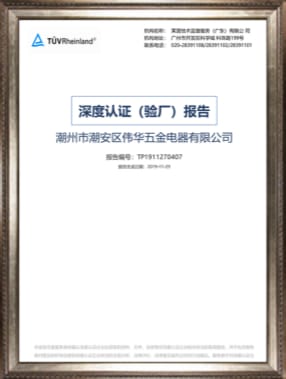
TUV Certified
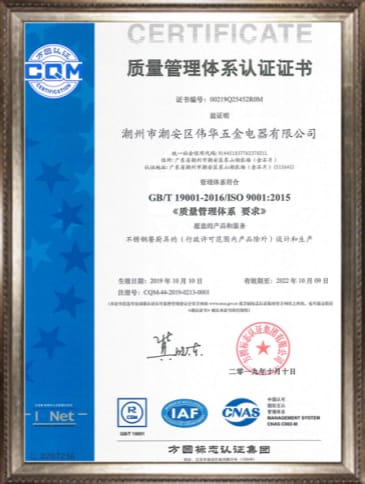
ISO-9001:2015
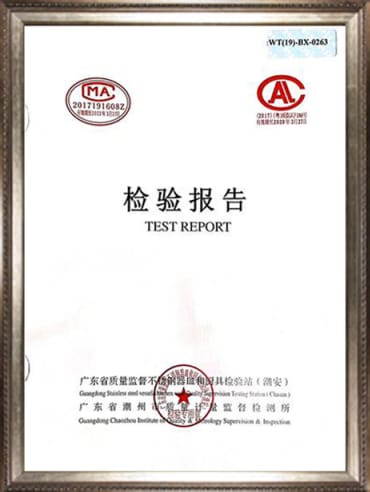
CMA China Accredited
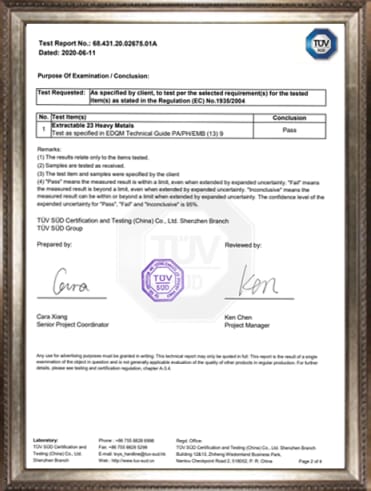
Germany LFGB Food Safety
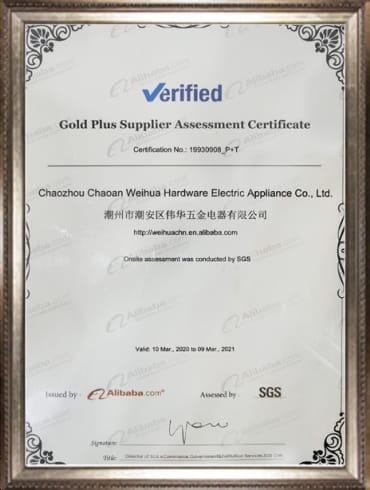
LFGB Compliance
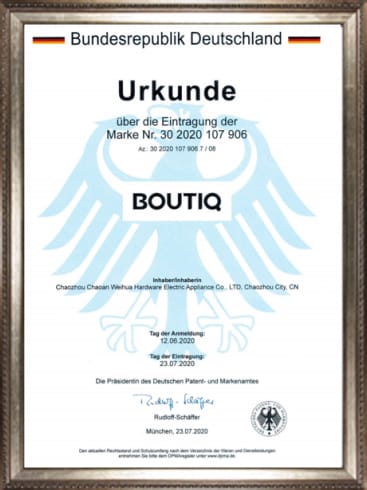
German Trademark: BOUTIQ
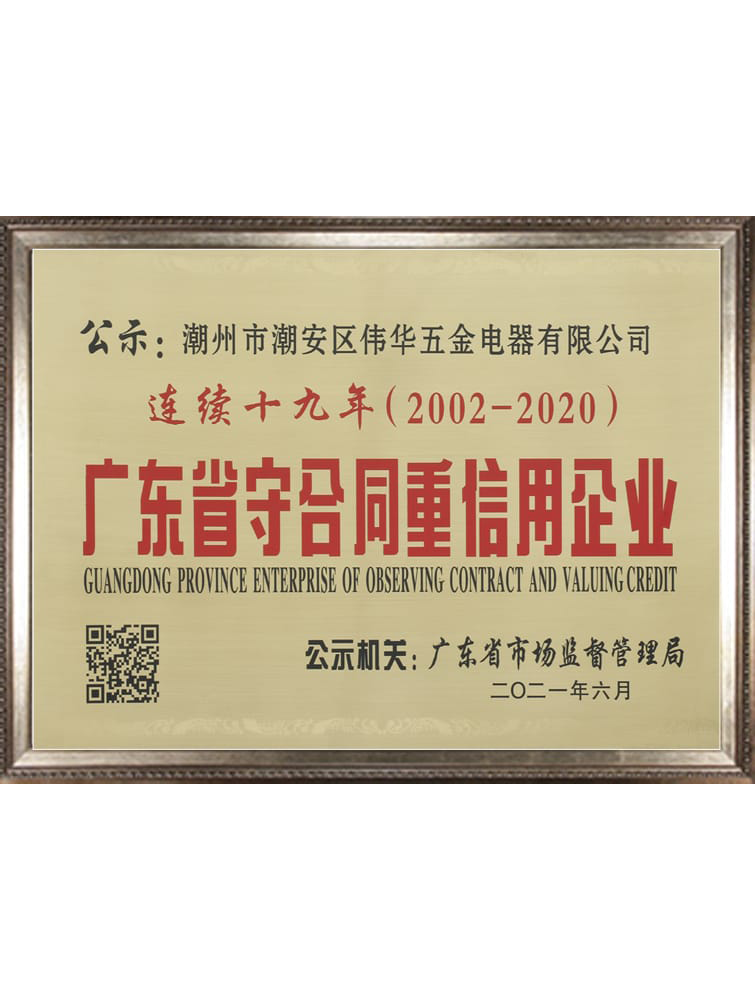
19 Yrs Credit Enterprise
Tailored cookware architectures engineered for diverse Japanese culinary setups.
In luxury dining establishments across Ginza and Roppongi, temperature precision is paramount. Our encapsulated heavy-bottom casseroles maintain micro-simmering conditions without boiling over, allowing chefs to extract deep umami from konbu and katsuobushi without scorching delicate ingredients.
Ghost kitchens catering to Tokyo's massive food delivery sector operate under intense continuous output demands. Weihua multi-layer casserole pots feature athermic hollow handles and reinforced rivets, reducing chef fatigue and standing up to 18-hour daily rotational service.
Large hotel facilities along Tokyo Bay require stackable casserole systems that transition seamlessly from kitchen induction lines to buffet warming displays. The satin interior and mirror-polished exterior options provide an elegant aesthetic suitable for open-kitchen display setups.
Chain restaurants serving hot pot (Nabe) and stewed side dishes require cookware that resists thermal shock from rapid cooling and washing cycles. Our proprietary capsule bonding prevents bottom delamination even after thousands of heating cycles on high-kW commercial burners.
Pioneering eco-friendly metallurgy, nanotech coatings, and smart manufacturing processes.
Developing micro-thin high-density core alloys that reduce total vessel mass by 18% while increasing heat transfer speed by 14%, reducing strain for Tokyo kitchen staff.
Integrating 3rd-generation inorganic ceramic non-stick coatings that withstand up to 450°C without degassing, fulfilling Tokyo's strict environmental safety standards.
Deploying automated laser tracing and full-lifecycle QR code mapping from raw steel coil selection to containerized delivery at Tokyo Port (Port of Tokyo / Yokohama Port).
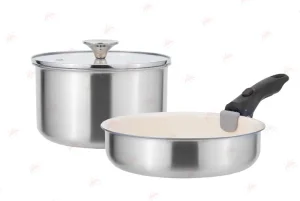
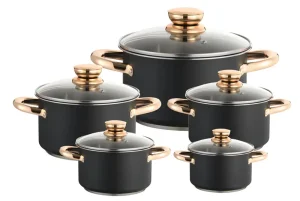
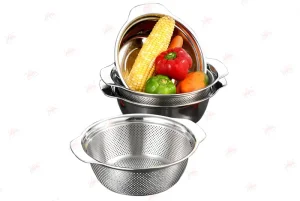
Full range of customizable multi-layer stainless steel casseroles, stockpots, steamers, and mixing systems.
Direct technical answers regarding custom branding, lead times, export logistics, and compliance.
Direct OEM/ODM factory pricing, customized sample production, and complete regulatory compliance for Japanese commercial culinary importers and brand owners.
Send Inquiry Now Weihua Hardware