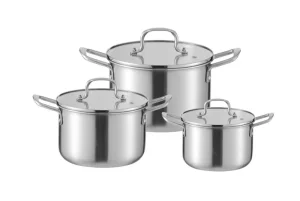
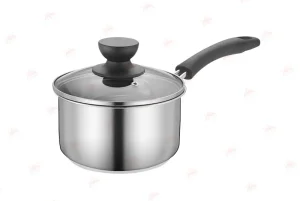
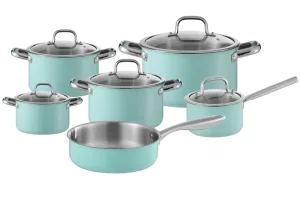
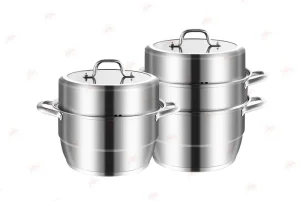
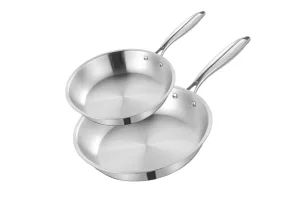
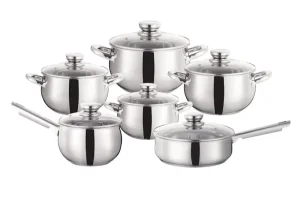
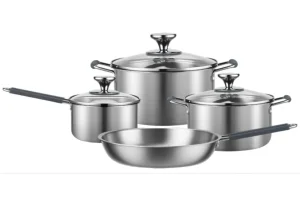
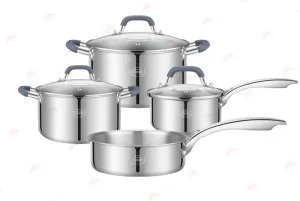
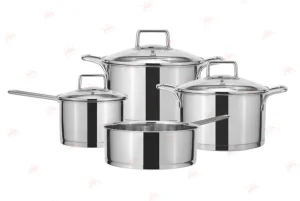
Explore our precision-engineered tri-ply stainless steel cookware sets, saucepans, steamers, and frying pans designed for high-density global retail channels and commercial foodservice buyers.
An exhaustive technical evaluation of global supply chain shifts, cladding material innovations, and enterprise procurement requirements for professional kitchenware buyers.
The global kitchenware and culinary utensils market has entered a pivotal era of material transformation and technological convergence. Driven by expanding residential cooking trends, commercial hospitality expansions, and rigorous safety standards, multinational brands, supermarket chains, and private-label importers are increasingly evaluating Original Design Manufacturers (ODM) and Original Equipment Manufacturers (OEM) based on advanced thermal efficiency, industrial throughput, and supply chain transparency.
Modern kitchen utensil procurement is no longer restricted to rudimentary stamping and basic polishing. International buyers require sophisticated metallurgical engineering—such as 3-ply and 5-ply bonded clad metals combining SUS304 food-grade stainless steel interior layers with ultra-conductive pure aluminum cores and magnetic SUS430 induction-compatible exteriors. Achieving precise thermal distribution while maintaining non-warping structural integrity under extreme thermal cycling has become the industry baseline for tier-1 retail brands across North America, Europe, and the Asia-Pacific region.
Enterprise procurement directors must evaluate ODM partners beyond unit manufacturing costs. The true Total Cost of Ownership (TCO) encompasses tooling amortizations, rate of scrap yield during automated deep-drawing, thermal transfer uniformities (ΔT variance < 2°C across cooking surface), and compliance with global toxicological mandates like LFGB (Germany), FDA (USA), and CE directives.
In high-grade cookware manufacturing, single-bottom vessels are rapidly being superseded by multi-layer encapsulated sandwich bases and full-body tri-ply clad structures. The table below illustrates the physical and metallurgical parameters managed within high-end ODM production environments:
| Material Layer Structure | Primary Function & Composition | Thermal Conductivity (W/m·K) | B2B Purchasing Target Segment |
|---|---|---|---|
| Interior Contact Layer (SUS304 / 18/8) | Food-grade hygienic contact; high corrosion and acid resistance; non-reactive satin/mirror finish. | ~16.2 W/m·K | Premium Retail, Commercial Kitchens, Medical-Grade Culinary Sets |
| Core Layer (Alloy 1050/3003 Aluminum) | Rapid thermal absorption and lateral heat dispersion; eliminates localized hot spots. | ~205.0 W/m·K | High-Performance Tri-Ply Cookware, Chef-Grade Sauté Pans |
| Exterior Layer (SUS430 / 18/0 Stainless) | Ferromagnetic properties optimized for high-frequency induction hobs and gas ranges. | ~26.0 W/m·K | Universal Induction Compatible Cookware Sets |
| 5-Ply Composite (SUS304-Al-Cu-Al-SUS430) | Ultra-premium thermal retention utilizing central pure copper core encapsulated by dual aluminum shells. | ~385.0 W/m·K (Copper core) | Luxury Gourmet Brands & Professional Culinary Chef Lines |
How localized supply chain density, automated robotics, and lean 6S operational management deliver unmatched cost-to-quality ratios for international importers.
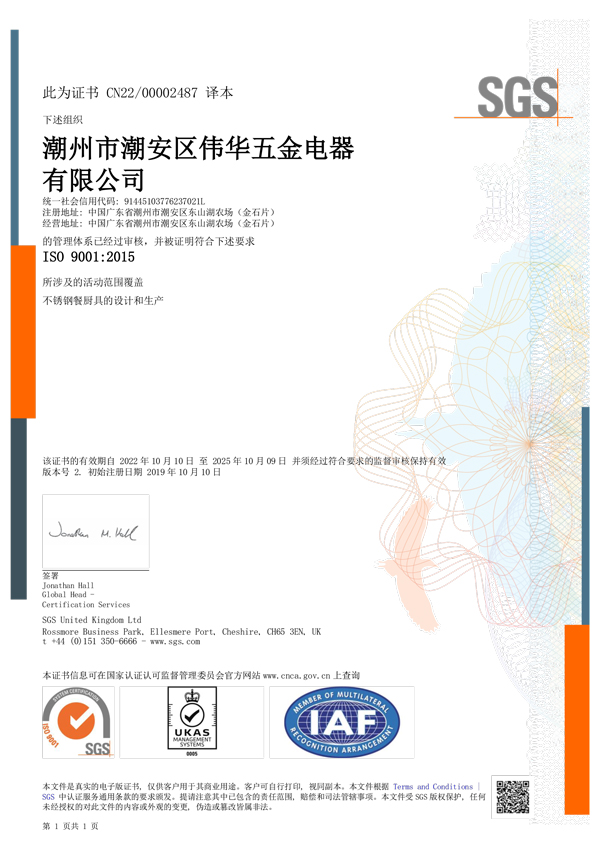
Established in 1997, Weihua has evolved into an international powerhouse in stainless steel cookware research, custom tooling, and high-volume OEM/ODM export services.
Established in 1997, Chaozhou Chaoan Weihua Hardware and Electrical Appliances Co., Ltd. is located in Chaozhou, a beautiful and prosperous city in south China. It owns a factory area of 350,000 square feet, 35 automated production lines, and 300+ highly skilled employees. Over the past 27 years, Weihua has built a global reputation for precision manufacturing, robust quality control, and scalable ODM customization.
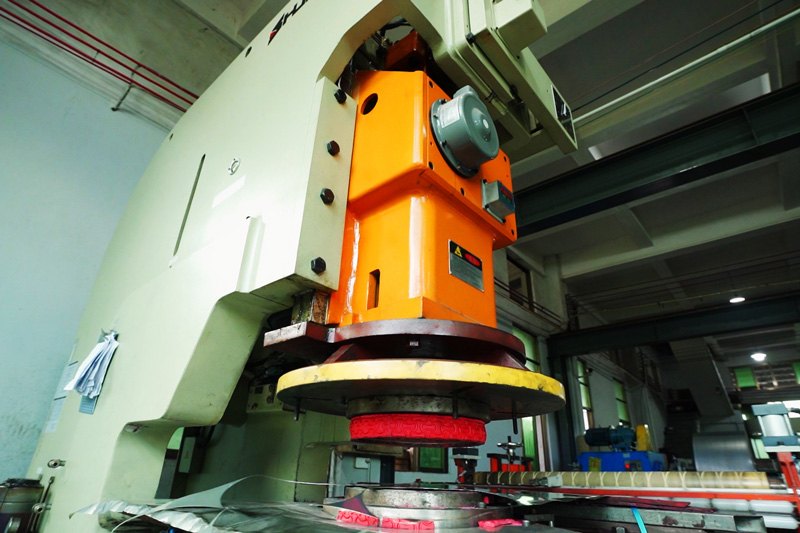
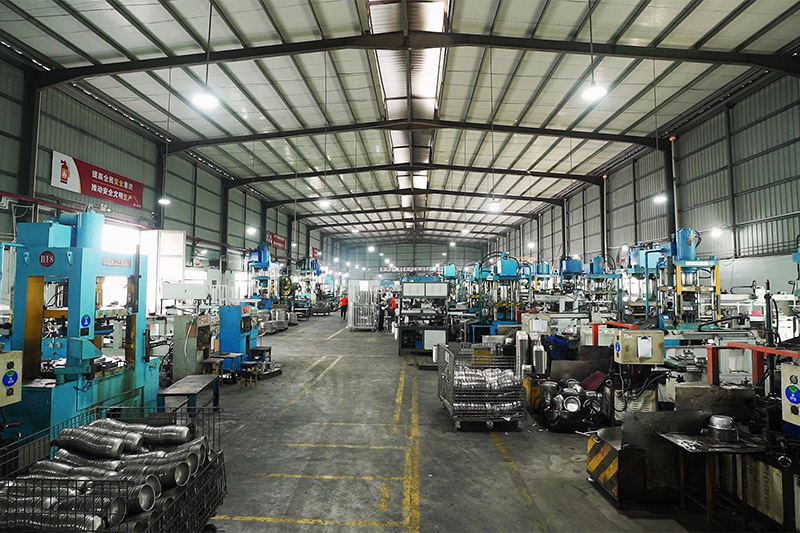
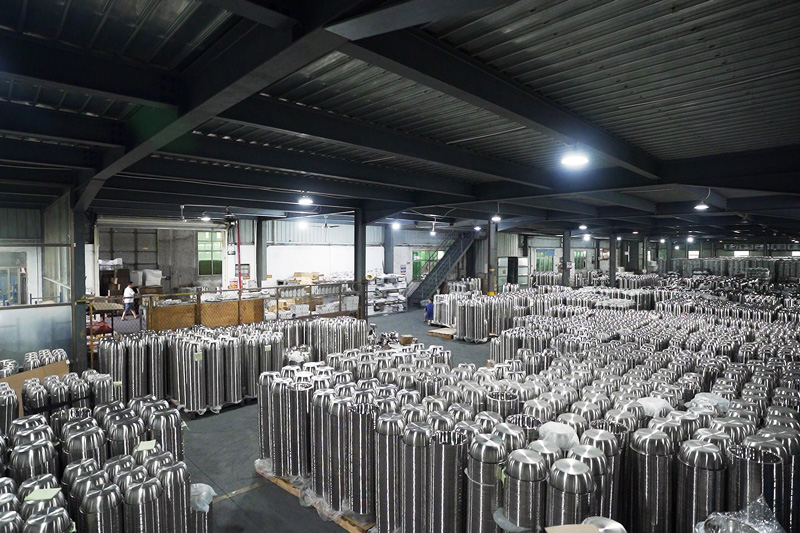
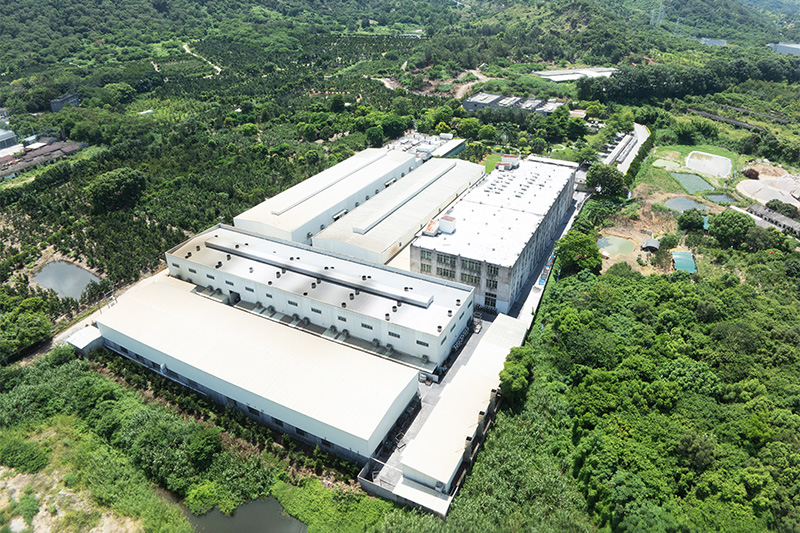
Tracing nearly three decades of industrial automation, factory expansion, and international brand partnerships.

Empowering global retail brands with dedicated R&D innovation, specialized material mastery, and operational reliability.
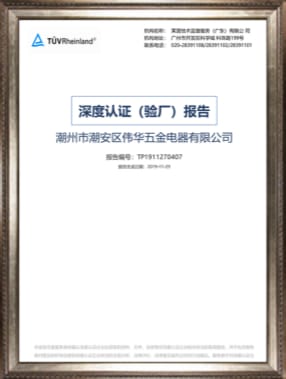
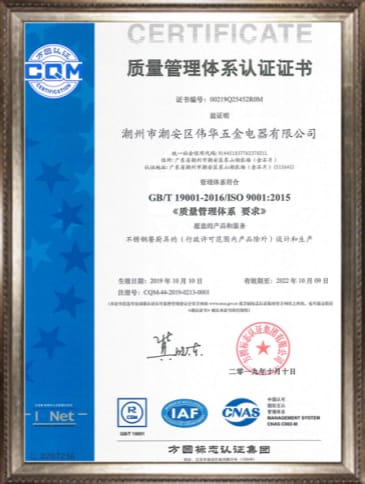
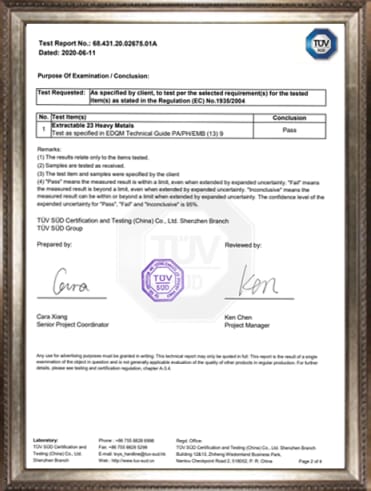
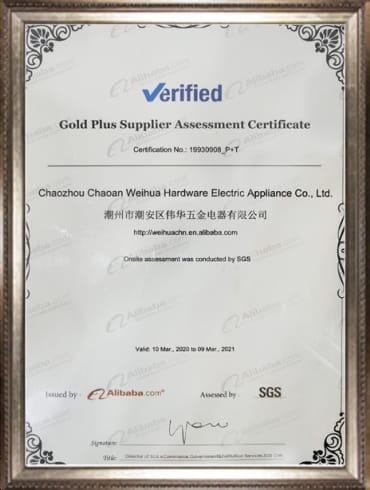
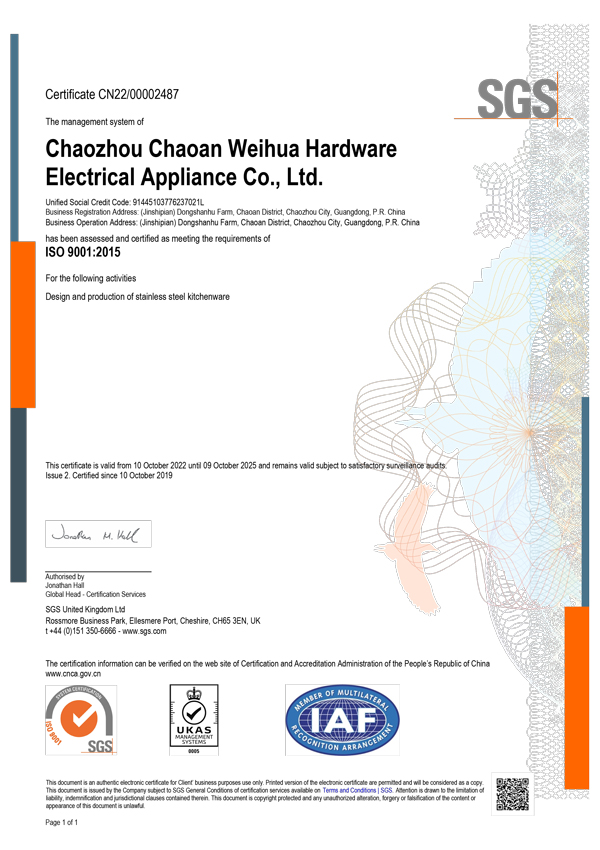
Our factory operates under ISO-9001:2015 certified quality systems, ensuring fully compliant products tested against European LFGB, TUV, and CMA standards.
Tailoring kitchenware ODM specifications to meet regional cooking habits, consumer aesthetics, and emerging smart kitchen technology trends.
Consumer preferences for culinary equipment vary dramatically across geographic regions. Successful ODM customization requires tailoring handle ergonomics, wall thickness, shape profiles, and surface finishes to local market requirements:
Demands heavy-gauge stockpots (3.0mm to 4.0mm tri-ply), broad sauté pans with extended cast stainless handles, riveted construction for commercial durability, and brush-satin interior linings that withstand high-heat metal utensil contact.
Focuses on straight-sided minimalist cookware, high thermal efficiency on induction stovetops, athermic hollow handles, non-toxic eco-friendly non-stick coatings, and 100% compliance with LFGB heavy metal migration limits.
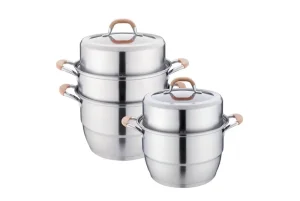
Favors large-capacity belly and apple-shaped cookware sets (12-piece to 18-piece configurations), multi-tiered steamers, high-gloss mirror polishes, and decorative accent handles (PVD Rose Gold or Gold finish).
Requires multi-functional cookware including deep steamers, stackable stainless steel salad/mixing bowls with airtight silicone lids, and lightweight high-thermal-conductivity frying pans optimized for rapid stir-frying.
Looking ahead, the ODM kitchenware sector is undergoing a technology-driven evolution centered around three main pillars:
Direct answers to crucial technical, engineering, and supply chain queries regarding ODM cookware production and export management.
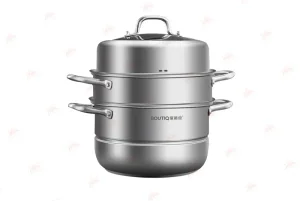
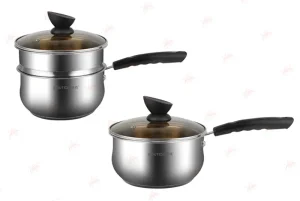
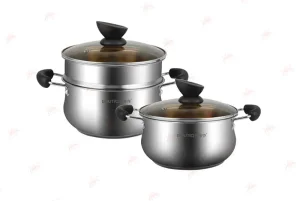
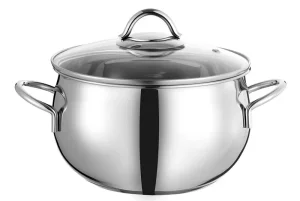
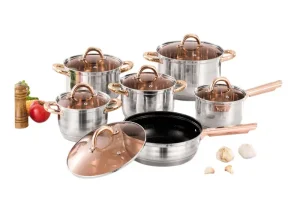
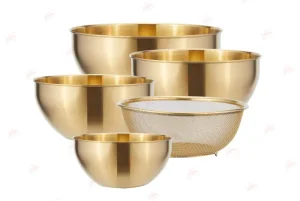
Explore our extended manufacturing series including multi-layer steamers, belly-shaped soup pots, and Korean-style gold-finished salad bowls.
 Weihua Hardware