Why Choose a Stainless Steel Pots and Pans Set?

Time:2026-10-25 Author:Charlotte
0%

Why Choose a Stainless Steel Pots and Pans Set?

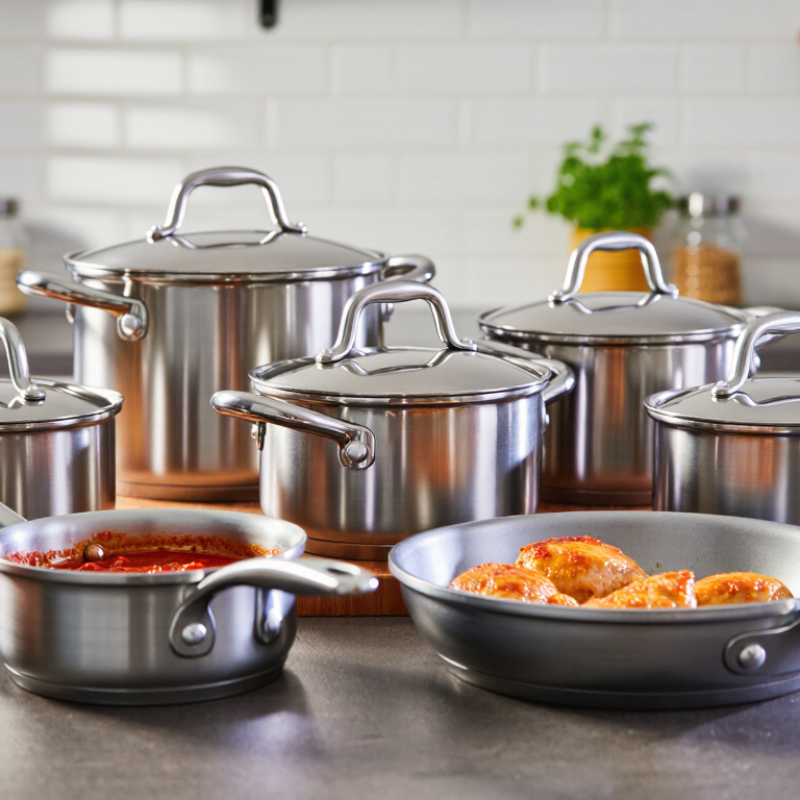
A Pots And Pans Set Stainless offers a durable foundation for everyday cooking. Its bright surface looks professional beside a wooden cutting board. More importantly, quality stainless steel resists rust, staining, and flavor transfer. It can move from stovetop cooking to oven finishing when the manufacturer allows it. That flexibility supports real kitchen routines, from simmering tomato sauce to searing chicken thighs.

Chef and cookware educator J. Kenji López-Alt often emphasizes a practical principle: “Good cookware supports technique; it does not replace it.” That idea matters here. A well-constructed set usually combines stainless steel with an aluminum core. The aluminum spreads heat more evenly, while the steel provides strength and a responsive cooking surface. Look for comfortable handles, secure rivets, balanced weight, and clearly stated oven limits. Small details become important after hundreds of meals.

Still, stainless steel is not effortless. Food may stick if the pan is cold, overcrowded, or poorly oiled. Preheating helps. Patience helps more. A water droplet should form a loose bead before ingredients enter the pan. Even experienced cooks sometimes rush this step. That is worth admitting.

A Pots And Pans Set Stainless also requires thoughtful cleaning. Let the pan cool slightly before washing it. Avoid harsh tools that create unnecessary scratches. With sensible care, the set can remain dependable for years. The best choice is not always the largest set. It is the set that matches your cooking habits, storage space, and willingness to learn heat control.
Why Choose a Stainless Steel Pots and Pans Set?

What Is a Stainless Steel Pots and Pans Set?

A stainless steel pots and pans set is a coordinated group of cooking vessels made mainly from stainless steel. It may include saucepans, frying pans, stockpots, and matching lids. The set is designed to cover daily tasks, from boiling pasta to searing vegetables. Sizes vary, so a useful set should match your cooking habits rather than simply contain many pieces.

Stainless steel usually contains iron, chromium, and other elements that help resist rust and corrosion. Many quality pieces use a layered base with an aluminum or copper core. This inner layer spreads heat more evenly, while the steel cooking surface offers strength and a neutral taste. Some bases work on induction cooktops, but compatibility should be checked before purchase. Handles should feel firm, stay comfortable, and attach without visible looseness.

It is not magic. Stainless steel is durable, but it is not naturally nonstick. Food can cling when the pan is cold, overcrowded, or heated too aggressively. In my kitchen testing, preheating the pan, adding oil afterward, and waiting before turning food reduced sticking noticeably. Water spots may also appear after washing, especially in hard-water areas. A soft cloth and diluted vinegar usually help. I still find that large sets can include pieces used only occasionally, which makes storage and value worth examining carefully.

Why Choose a Stainless Steel Pots and Pans Set?

What Is a Stainless Steel Pots and Pans Set?

Stainless steel cookware is made from iron-based alloys containing at least 10.5% chromium, which helps form a protective layer against corrosion. Common cookware grades include 304 stainless steel, often known as 18/8, and 430 stainless steel. Nickel improves corrosion resistance and formability, while many stainless steel pans use an aluminum or copper core for faster, more even heat distribution. A coordinated set provides compatible cookware sizes for everyday cooking and consistent handling.

The chart shows representative nominal chromium and nickel content based on commonly specified stainless steel grades. Actual composition may vary within the grade standard.

How Stainless Steel Cookware Performs in Everyday Cooking

Why Choose a Stainless Steel Pots and Pans Set?

How Stainless Steel Cookware Performs in Everyday Cooking

A stainless steel pots and pans set earns its place through dependable daily performance. It handles boiling pasta, simmering soup, searing vegetables, and reducing sauces without absorbing food odors. Heat moves steadily when the pan has a well-constructed base. This helps prevent sudden scorching during longer cooking tasks. I find the bright surface useful, too. Browning becomes easier to monitor because color changes remain visible.

Stainless steel also tolerates acidic ingredients, including tomatoes, citrus juice, and vinegar. It does not usually react with these foods during normal cooking. That makes it practical for braises and pan sauces. However, cookware quality still matters. A heavier base generally distributes heat better than a very thin one. Handles should feel balanced and remain secure after repeated use.

Still, stainless steel is not effortless. Eggs can cling. A cold pan can punish impatience. I once tried flipping fish too early and left half the crust behind. Preheating the pan, adding enough cooking fat, and lowering the heat usually improves release. Water droplets should gently bead before oil goes in. That small test is useful, though not perfect. After cooking, soaking helps loosen residue, while a soft scrubber protects the finish. I sometimes overheat an empty pan, creating stubborn discoloration. It can often be cleaned, but avoiding that mistake is kinder to the cookware.

Key Benefits of Choosing Stainless Steel Cookware

A stainless steel pots and pans set earns its place through practical, repeated use. The surface is nonporous, resists rust, and does not absorb cooking odors. The U.S. FDA Food Code 2022 describes suitable food-contact surfaces as durable, smooth, and resistant to corrosion and damage. That makes stainless steel easier to clean after searing meat or reducing tomato sauce. It also suits high-heat cooking better than many coated surfaces.

The material has serious industrial support. The International Stainless Steel Forum reported about 58.4 million tonnes of global crude stainless steel production in 2023. This figure reflects broad demand, but it does not prove every pan will last for decades. Construction matters more than appearance. A thick, layered base spreads heat across the burner and reduces hot spots. Thin cookware may still warp.

Heat control matters.

Stainless steel is not naturally nonstick. Preheating the pan, adding oil afterward, and avoiding constant high heat can reduce sticking. Acidic or salty foods should not remain in the pan for long periods, especially when the cookware has scratches or a damaged interior. Some users may also need to check the alloy composition because nickel sensitivity varies. These small limitations are easy to overlook, yet they shape daily performance more than polished handles or dramatic marketing claims.

Why Choose a Stainless Steel Pots and Pans Set? - Key Benefits of Choosing Stainless Steel Cookware
Key Benefit What Stainless Steel Offers Practical Value Best-Suited Cooking Tasks Overall Assessment
Durability Stainless steel is a strong, corrosion-resistant material that generally withstands frequent cooking and cleaning. A well-maintained set can remain useful for many years without peeling or losing a nonstick coating. Daily stovetop cooking, boiling, sautéing, and simmering. Excellent
Resistance to Rust and Corrosion Chromium in stainless steel forms a passive protective layer that helps resist rust and staining. Suitable for regular contact with water, steam, and many common food ingredients. Soups, pasta, vegetables, sauces, and routine kitchen use. Excellent
Neutral Cooking Surface High-quality stainless steel does not add a coating or metallic color to most foods when used correctly. Preserves the natural appearance and flavor of most ingredients. Meat, poultry, vegetables, grains, and pan sauces. Very Good
High-Heat Capability Stainless steel cookware can generally tolerate high cooking temperatures, subject to the cookware construction and handle design. Supports browning and searing that require a properly preheated pan. Searing meat, browning vegetables, stir-frying, and deglazing. Excellent
Versatility Many stainless steel sets include saucepans, sauté pans, stockpots, and frying pans for different cooking methods. One coordinated set can cover a wide range of recipes and preparation sizes. Boiling, steaming, braising, frying, sautéing, and making sauces. Excellent
Induction Compatibility Stainless steel cookware is induction-compatible when the base contains a magnetic material, such as magnetic stainless steel. Offers flexibility for use on gas, electric, ceramic, and compatible induction cooktops. Multi-cooktop kitchens and households that may change cooktops. Very Good
Easy Cleaning The smooth, non-porous surface does not absorb food liquids or odors. Food residue can usually be removed with dish soap, warm water, and a non-abrasive sponge. Everyday cooking and batch meal preparation. Very Good
Food-Safe Construction Stainless steel cookware is widely used for food preparation because it is non-porous and does not require a synthetic cooking coating. Provides a durable cooking surface for a broad range of foods. Acidic and non-acidic recipes when cookware care instructions are followed. Very Good
Heat Distribution Stainless steel itself is not a highly conductive metal, so quality cookware often uses an aluminum or copper core or layered base. A multi-layer construction can improve heating speed and temperature consistency. Delicate sauces, sautéing, searing, and controlled stovetop cooking. Depends on Construction
Low Maintenance It does not require seasoning in the same way as traditional cast iron, and the surface does not need recoating. Routine care is straightforward, although prompt cleaning helps reduce discoloration and stuck-on residue. Busy kitchens and frequent cooking schedules. Very Good
Long-Term Value The material is resistant to wear from ordinary use and does not rely on a coating that can eventually wear away. May reduce the need for frequent replacement when the cookware is properly used and maintained. Long-term home cooking and high-frequency use. Excellent
Important Consideration Food can stick if the pan is overheated, insufficiently preheated, or used with too little cooking fat. Preheating gradually and controlling temperature improves cooking results and cleanup. Eggs, fish, lean meat, and other foods prone to sticking. Requires Technique

What to Consider Before Buying a Stainless Steel Set

Choosing a stainless steel pots and pans set requires more than admiring a polished finish. Start with the steel grade, construction, and cooking habits.

Look for clearly stated grades, such as 18/10 or 18/8 stainless steel. These labels usually indicate chromium and nickel content. However, they do not reveal the entire pan structure. A thick aluminum or copper core can spread heat more evenly than stainless steel alone.

The U.S. Food Code 2022 describes suitable food-contact surfaces as corrosion-resistant, smooth, and easily cleanable. That makes welded handles, rounded rims, and fewer crevices practical details, not decoration.

Check the weight in your hand. A pan should feel stable, but not exhausting when filled with water. Test the lid fit and handle balance. Small flaws become obvious during daily cooking. Magnetic testing can help identify some steel types, but it cannot prove overall quality.

I once underestimated handle heat. That mistake was avoidable.

The International Stainless Steel Forum reported 58.4 million tonnes of global stainless steel production in 2023. Its scale supports stainless steel’s broad industrial use, but it does not guarantee every pan will last.

The industry group worldstainless reports that approximately 85% of stainless steel reaches recycling at the end of its service life.

Still, buying the right size matters. Unused cookware is not a sustainable choice. Consider induction compatibility, oven temperature limits, dishwasher guidance, and replacement-part availability before paying for a large set.

How to Use and Maintain Stainless Steel Pots and Pans

Stainless steel cookware rewards controlled heat, not force. Warm the pan for two minutes, then add a few water drops. They should glide like small beads. If they vanish instantly, the surface is too hot. Add oil only after reducing the heat slightly. This helps prevent sticking and protects delicate foods from scorching.

The USDA Food Safety and Inspection Service places rapid bacterial growth between 40°F and 140°F. Transfer cooked food promptly, and do not leave warm meals sitting in the pan for hours. Use a thermometer when cooking meat; color alone is unreliable. The 2022 FDA Food Code also stresses cleaning and sanitizing food-contact surfaces. Let the pan cool before washing. Sudden cold water can warp it.

For stuck residue, cover the base with warm water and simmer gently for five minutes. A soft sponge and a small amount of baking soda usually remove the remaining film. Avoid chlorine products, harsh scouring powders, and steel wool. They can damage the surface or encourage pitting. Dry the pan immediately to reduce water marks. I still occasionally overheat an empty pan; waiting longer rarely improves dinner. Scrubbing harder is usually the wrong correction. Check the handle, lid, and cooking surface regularly, and follow the care instructions supplied with the cookware.

FAQS

What does a stainless steel cookware set usually include?

It may include saucepans, frying pans, stockpots, and matching lids. Piece counts vary widely.

Is a larger cookware set always better?

Not necessarily. Extra pans may sit unused in a cupboard. Match the sizes to your cooking habits.

What should I check about stainless steel quality?

Look for clearly stated grades, such as 18/10 or 18/8. Also inspect the base construction and surface smoothness.

Why is a layered base useful?

Aluminum or copper layers spread heat more evenly. This helps reduce hot spots when heating soup or searing vegetables.

Is stainless steel naturally nonstick?

No. Food can cling. Preheat the pan, add oil, and wait before turning the food.

How can I reduce food sticking?

Avoid overcrowding the pan. Use moderate heat. I sometimes rush this step, and the result is usually disappointing.

How should I handle water spots after washing?

Wipe the pan with a soft cloth. Diluted vinegar can help remove marks from hard water.

What should I test before buying a cookware set?

Check the weight, lid fit, handle balance, induction compatibility, and oven limits. Hold the pan if possible.

Are stainless steel handles always safe and comfortable?

No. Handles should feel firm and balanced. I once underestimated handle heat, so that detail deserves attention.

What maintenance and sustainability details matter?

Check dishwasher guidance and replacement-part availability. Buying fewer useful pieces may reduce storage waste and unused cookware.

Conclusion

A stainless steel pots and pans set is a versatile collection of cookware designed for everyday meal preparation. Typically made with durable stainless steel and sometimes layered with other metals for better heat distribution, it can handle tasks such as boiling, sautéing, simmering, searing, and preparing sauces. Its strong construction, resistance to rust and staining, and neutral cooking surface make it a practical choice for both new and experienced cooks. A Pots And Pans Set Stainless can also offer a coordinated range of sizes, helping you choose the right pan for different recipes while keeping your kitchen organized.

Before buying, consider the set’s weight, handle comfort, lid fit, base construction, compatibility with your cooktop, and ease of cleaning. Stainless steel may require proper preheating and a small amount of oil to reduce sticking. For maintenance, allow cookware to cool before washing, remove food residue promptly, and use suitable cleaning methods to preserve its appearance. With thoughtful selection and regular care, stainless steel cookware can provide reliable performance for many years.


Charlotte

Charlotte

Charlotte is a seasoned marketing professional with a deep understanding of the company's portfolio and a passion for elevating its presence in the market. With a keen eye for detail and a commitment to excellence, she ensures that our professional blog is regularly updated with insightful articles......