Choosing the right pan begins with understanding how Chinese cookware is made and used. China produces a wide range of pans for home kitchens, restaurants, and professional food-service settings. The best option depends on heat control, cooking style, maintenance, and budget.
This guide examines the main Kinds Of Cooking Pan from China, including carbon steel woks, cast iron skillets, stainless steel pans, aluminum cookware, and nonstick frying pans. Each material behaves differently. A carbon steel wok may heat quickly and develop a dark, naturally seasoned surface. A cast iron pan holds heat longer, but its weight can make daily cooking tiring. Stainless steel offers durability, although food may stick when the temperature is poorly managed.
Small details matter. Check the pan’s base thickness, handle connection, coating quality, and compatibility with induction cookers. For nonstick products, reliable food-contact testing and clear care instructions deserve attention. Certifications can help, but they should not replace careful supplier verification. Product claims are sometimes vague.
In practical kitchens, a pan that feels balanced often performs better than one with impressive advertising. A wok may suit stir-fried vegetables, while a shallow skillet works better for eggs or delicate fish. No single pan wins every task. I may have underestimated how much cleaning habits influence performance. Seasoned carbon steel rewards regular care, but it can disappoint users who prefer effortless washing. This article compares popular Chinese cooking pans through materials, construction, heat response, safety considerations, and everyday usability. The goal is a clear, evidence-based starting point for smarter cookware decisions.
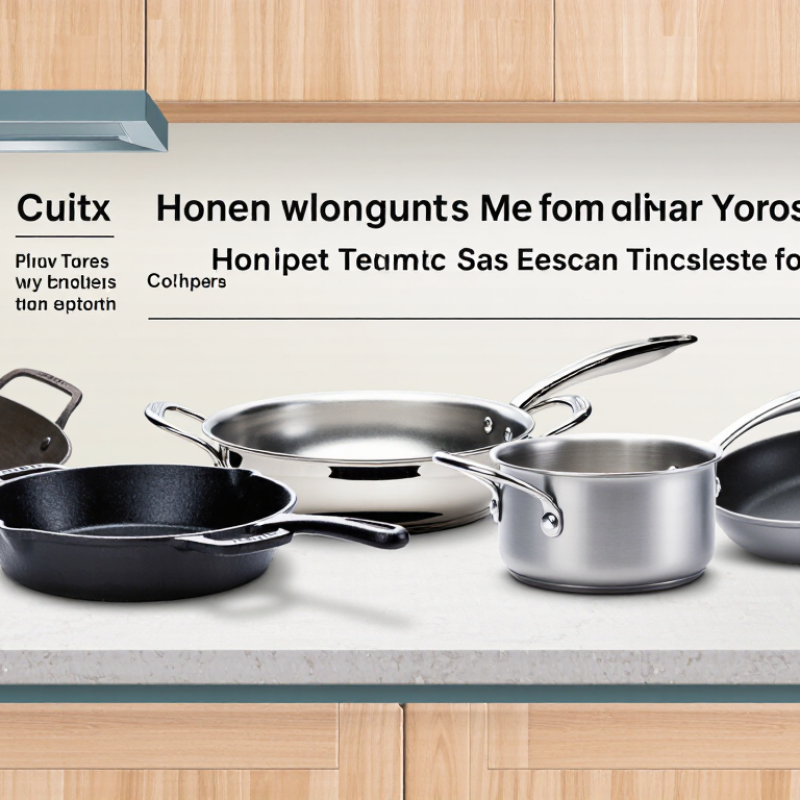
Chinese cookware factories commonly produce woks, frying pans, saucepans, stockpots, and cast-iron skillets. Each type serves a different cooking routine. Carbon-steel woks heat quickly and develop a seasoned surface for stir-frying. Aluminum frying pans offer lower weight and fast heat distribution. Stainless-steel saucepans resist corrosion and suit boiling, steaming, and sauces. Cast iron holds heat well, although it demands careful drying after washing.
Heat matters.
Grand View Research reported that the global cookware market reached about USD 19.8 billion in 2023, with continued growth expected through 2030. This demand supports China’s broad manufacturing base, including pressed aluminum, forged aluminum, multilayer stainless steel, and enamel-coated cookware. Many suppliers also produce ceramic-coated pans for consumers seeking easy food release without traditional fluoropolymer coatings.
The coating is only one detail. Base thickness matters too.
In practical kitchen testing, a thin pan may respond quickly but create hot spots around the center. A heavier base usually improves stability on induction and gas burners. I once assumed a glossy finish indicated better quality; it did not. Buyers should check wall thickness, handle attachment, flatness, coating adhesion, and heat-cycle performance. Independent laboratory reports should verify food-contact safety under the destination market’s rules. Product descriptions alone are not enough. Even a well-made pan can fail when its diameter mismatches the cooktop or when users overheat an empty surface.
Woks remain one of China’s most recognizable cooking pans. Their round base concentrates heat beneath the center, while sloped walls guide food toward cooler edges. Traditional round-bottom woks suit wood-fired stoves and high-flame cooking. Flat-bottom versions work better on modern electric or induction cooktops. They are less traditional, but often more practical.
Carbon steel is the classic choice. It heats quickly, responds well to temperature changes, and develops a dark seasoning layer through repeated use. Cast iron holds heat longer, making it useful for deep-frying and braising. However, it feels heavier and reacts more slowly. Stainless steel resists rust and simplifies cleaning, though food may stick without careful preheating. My experience suggests that material matters less than heat control. A thin wok can outperform a heavy one in a skilled kitchen.
Market data reflects broader cookware demand, not woks alone. Grand View Research estimated the global cookware market at about 19.8 billion U.S. dollars in 2023, with continued growth projected through 2030. Fortune Business Insights also reports steady expansion in the global cookware sector, driven partly by home cooking and durable kitchenware. These reports differ in scope, so their figures should not be treated as exact wok sales. That limitation matters. For buyers, handle shape, base stability, wall thickness, and cooking habits remain more useful than market size. A well-seasoned carbon-steel wok can stir-fry greens, steam dumplings, sear meat, and simmer noodles over one burner.
Chinese skillets and frying pans suit many everyday meals, from scallion eggs to quick vegetable stir-fries. Carbon steel pans heat quickly and develop a useful natural patina with regular seasoning. Cast iron holds heat longer, which helps with searing chicken or cooking pancakes evenly. Stainless steel pans are practical for acidic sauces, although food may stick without enough oil and proper preheating.
I have found that a comfortable handle matters as much as the cooking surface. A flat base improves stability on induction and electric stoves, while a rounded edge helps with tossing vegetables. Check the pan’s weight, rivets, and finish before buying. Some pans advertised as lightweight still feel tiring after ten minutes of cooking. Heat tolerance also deserves attention, especially when using an oven-safe design. I still occasionally overheat an empty pan, so a lower flame is often wiser than a dramatic high-heat start.
Tips: Dry carbon steel immediately after washing, then apply a thin oil layer. Avoid sudden temperature changes with cast iron, because thermal shock can damage cookware. Use wooden or silicone tools when protecting a coated surface. A lid is useful for steaming dumplings and finishing thick cuts. Choose a 24–28 centimeter pan for ordinary family portions. Clean it promptly. Not perfectly, but consistently.
Chinese cookware covers several practical shapes, but saucepans, stockpots, and steaming pans serve different kitchen demands. When I test a saucepan, I check how evenly it heats milk, sauces, and small portions. A thick base usually reduces scorching, while a comfortable handle improves control near a hot burner. Many Chinese saucepans use stainless steel, aluminum, or layered construction. Material choice affects weight, heat response, and cleaning. That small detail matters.
Stockpots from China range from compact household sizes to large vessels for restaurants and catering. I look for straight walls, sturdy side handles, and a lid that fits without excessive rattling. A full pot becomes surprisingly heavy. Weak handles are not a minor flaw. For soup, noodles, or stock, consistent heating and easy pouring are more valuable than decorative finishes. Buyers should verify metal grades, wall thickness, capacity, and food-contact documentation before ordering. Product photos rarely reveal these details.
Steaming pans are useful for dumplings, vegetables, seafood, and layered meals. Their performance depends on tight-fitting tiers, stable stacking, and evenly spaced holes. Steam should rise freely without leaving large cold areas. In practical inspections, I also check warped rims and sharp edges. Some manufacturers offer customized sizes, but customization can complicate replacement parts and quality control. It is worth requesting samples and testing them on the intended stove. A pan can look excellent and still perform poorly.
| Pan Type | Typical Capacity | Common Diameter and Height | Typical Materials | Common Construction | Best Uses | Typical Heat Compatibility | Main Advantages | Key Limitations | Recommended Selection Criteria |
|---|---|---|---|---|---|---|---|---|---|
| Saucepans | 1–5 liters for household cooking; larger sizes are available for food-service use. | Approximately 14–24 cm diameter and 7–14 cm high. | Commonly stainless steel, aluminum, hard-anodized aluminum, or layered stainless steel with an aluminum core. | Usually a deep, rounded body with a long handle and a fitted lid. Some models have a bonded or encapsulated base for improved heat distribution. | Boiling milk or water, preparing sauces, gravies, soup, rice, oatmeal, custards, and small portions of vegetables. | Gas and electric cooktops are common. Induction use requires a magnetic stainless-steel base or another induction-compatible construction. | Compact, easy to control, suitable for small portions, and convenient for pouring and stirring. | Limited capacity for large-batch cooking. Thin aluminum bodies may develop hot spots or deform if overheated. | Check base thickness, handle attachment, lid fit, interior finish, wall strength, and induction compatibility when required. |
| Stockpots | 6–30 liters for household and commercial kitchens; very large food-service versions can exceed this range. | Approximately 20–40 cm diameter and 18–35 cm high, depending on capacity. | Most commonly stainless steel or aluminum. Multi-layer stainless steel and heavy-gauge aluminum are used for improved durability and heat control. | Tall, deep-sided body with two side handles and a lid. Many commercial designs use reinforced rims and welded or riveted handles. | Making stock, broth, soup, pasta, seafood, steamed food with inserts, sauces, and large batches of vegetables. | Generally suitable for gas and electric cooktops. Induction compatibility depends on the base material and magnetic properties. | High capacity, efficient for batch cooking, durable, and suitable for boiling large quantities of liquid. | Large pots can be heavy when full and may heat slowly if the base is thin or poorly matched to the burner size. | Compare usable capacity, base flatness, metal thickness, handle strength, lid design, weight, and compatibility with the intended cooktop. |
| Steaming Pans | Common household capacities are 3–12 liters; tiered systems may provide multiple cooking levels. | Approximately 20–32 cm diameter or width and 8–16 cm per steaming tier. | Usually stainless steel, aluminum, carbon steel, or combinations of stainless-steel bodies with aluminum bases. | Perforated steaming insert, basket, or tiered tray positioned above boiling water; many sets include a covered lower pot. | Steaming dumplings, buns, fish, vegetables, rice, seafood, eggs, and other foods that benefit from moist, gentle heat. | Gas and electric cooktops are widely supported. Induction use depends on whether the lower pot has a magnetic base; the perforated insert itself does not determine induction compatibility. | Preserves moisture, requires little or no cooking oil, supports gentle cooking, and allows several foods to be prepared in layers. | Requires adequate vertical clearance and careful water-level control. Steam can cause burns, and poorly fitted tiers may allow excessive heat loss. | Check the number of tiers, perforation size, water capacity, lid seal, tray stability, corrosion resistance, and compatibility with the available burner. |
Note: Dimensions and capacities are typical ranges for household and light commercial cookware manufactured in China. Actual specifications vary by material thickness, construction method, intended market, and cookware design.
Chinese cooking pans vary in shape, weight, and heat response. The right choice depends on your stove, cooking habits, and cleaning routine. A round-bottom wok suits a traditional gas burner with a support ring. A flat-bottom wok works better on induction or electric hobs. Check the base before ordering. It should sit firmly without wobbling.
Carbon steel is a practical choice for stir-frying, steaming, and shallow frying. It heats quickly and becomes more naturally nonstick after regular seasoning. However, it needs drying and light oiling after washing. I once left a carbon steel wok wet overnight. Rust appeared by morning. That small mistake changed my storage routine. Cast iron holds heat well for braising and frying, but it can feel heavy during daily cooking. Stainless steel resists rust and handles acidic ingredients, though food may stick without enough oil and heat control. Coated pans are easier to clean, but avoid excessive heat and metal utensils.
Choose a diameter that matches your kitchen space. A 28 to 32-centimeter pan suits many home kitchens. A long handle needs enough clearance from nearby cabinets. Two short handles may improve control when the pan is full. Examine the handle joints, rim, surface finish, and base thickness. Reliable sellers should provide clear material details and care instructions. Do not choose by appearance alone. A beautiful pan can still be awkward, heavy, or poorly balanced.
Common types include woks, frying pans, saucepans, stockpots, and cast-iron skillets. Each supports different cooking routines.
A carbon-steel wok heats quickly and develops a seasoned cooking surface. A round bottom suits gas burners with support rings.
Choose a flat bottom for induction or electric hobs. Choose a round bottom for supported gas burners. Check stability before ordering.
Aluminum is lightweight and distributes heat quickly. Stainless steel resists corrosion. Cast iron holds heat well but feels heavy.
Usually, yes. Food releases more easily, and cleaning takes less effort. Avoid excessive heat and metal utensils.
A diameter between 28 and 32 centimeters fits many kitchens. Measure nearby cabinets and available cooking space first.
Check wall thickness, base thickness, flatness, handle joints, rim finish, and coating adhesion. A glossy surface proves very little.
Dry it immediately after washing and apply a light layer of oil. I once left one wet overnight. Rust appeared by morning.
Ask for material details, care instructions, and independent food-contact safety reports. Product descriptions alone are not enough.
A mismatched diameter can create uneven heating. A heavy, flat base usually improves stability on induction and gas burners. Heat matters.
China produces a wide range of cooking pans designed for different culinary needs, from quick stir-frying to slow simmering and steaming. Among the most recognized kinds of cooking pan are traditional woks, which may feature rounded or flat bottoms and can be made from carbon steel, stainless steel, cast iron, or aluminum. Their deep shape supports stir-frying, boiling, deep-frying, and steaming. Chinese skillets and frying pans are also practical choices for everyday meals such as sautéed vegetables, eggs, pancakes, and seared meats.
Beyond woks and skillets, Chinese cookware includes saucepans, stockpots, and steaming pans in various sizes and materials. These pans are useful for preparing sauces, soups, broths, rice, dumplings, and other steamed foods. When choosing a Chinese cooking pan, consider your stovetop type, preferred cooking methods, pan size, weight, handle design, maintenance needs, and whether a nonstick or naturally seasoned surface is more suitable for your kitchen.

Weihua Hardware